Book Appointment Now


Bogotá: La Candelaria, Gold Museum, Monserrate, and Street Art Highlights
 By
By
Bogota offers medical tourists 220+ museums, world-famous street art, and JCI-accredited hospitals with 50-80% savings on procedures compared to US prices.
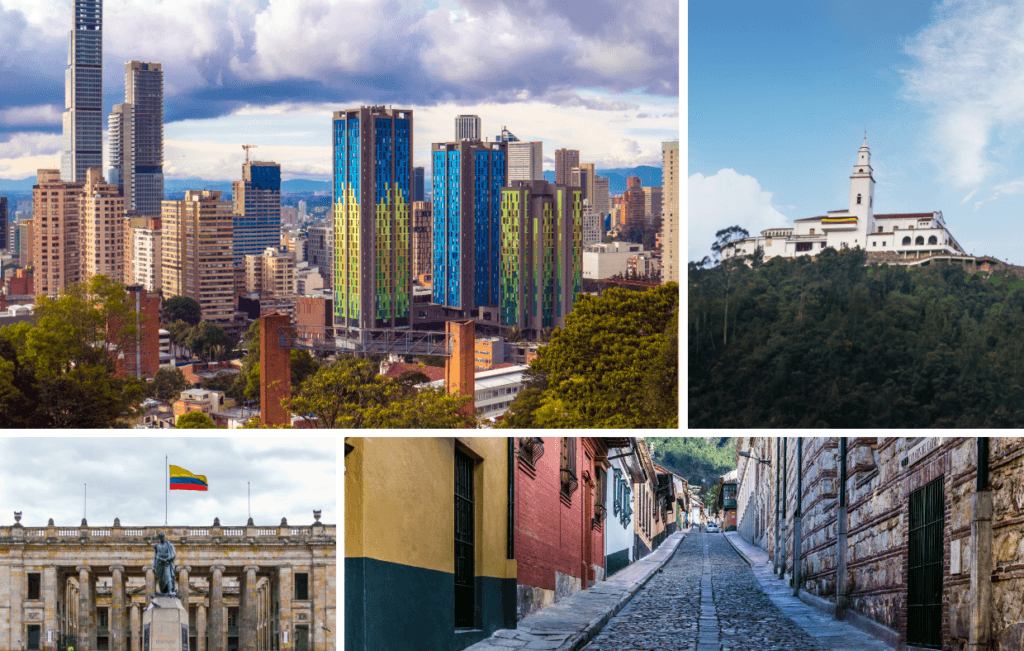
Colombia’s capital city draws 15,000+ American patients annually to facilities like Fundacion Santa Fe de Bogota. Visitors explore the Gold Museum’s 34,000 pre-Hispanic gold artifacts, ride a cable car to Monserrate at 3,152 meters, and walk through La Candelaria’s 500-year-old colonial streets.
This guide covers Bogota’s top cultural attractions, practical visitor information including hours and prices, safe neighborhoods for medical tourists, and recovery-friendly activities. You will also find hospital profiles, medical procedure cost comparisons, and travel requirements for US and Canadian visitors.

What Makes Bogota a Top Destination for Visitors and Medical Tourists?
Bogota attracts visitors with 220+ museums, colonial architecture, and vibrant street art. The city also draws 15,000+ American medical patients each year. JCI-accredited hospitals offer 50-80% savings on procedures compared to US prices, while Bogota’s cool climate supports comfortable recovery.
Why Do Thousands of International Patients Choose Bogota Each Year?
Thousands of international patients choose Bogota because the city has JCI-accredited hospitals with bilingual staff. Fundacion Santa Fe de Bogota and Clinica del Country are top facilities for cosmetic surgery and rehabilitation. Colombia’s medical tourism market reached $235 million in 2025, growing 15% per year.
Bogota’s healthcare system ranks among the best in Latin America. Six JCI-accredited hospitals across Colombia maintain infection rates of 2.1 per 1,000 patient days. This matches or beats US hospital benchmarks. Our complete guide for American medical tourists in Colombia covers hospitals, costs, and travel logistics.
What Is Bogota Known For?
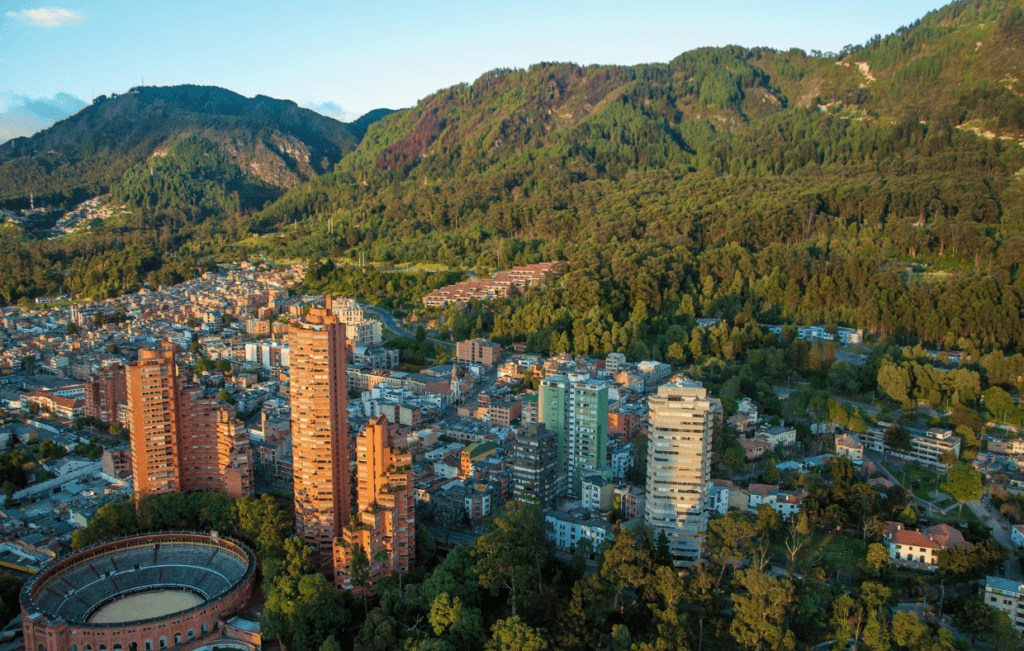
Bogota is known as Colombia’s capital city, sitting at 2,640 meters (8,660 feet) above sea level. The city blends colonial and modern architecture across neighborhoods like La Candelaria, Usaquen, and Chapinero. It hosts one of the world’s largest theater festivals, the Ibero-American Theater Festival.
The city has over 220 museums, extensive bicycle routes, and green spaces like Simon Bolivar Park. Bogota’s food scene mixes traditional Colombian flavors with global cuisine. The average temperature stays around 14.5 degrees Celsius (58 degrees Fahrenheit) all year.
Why Is La Candelaria the Heart of Bogota?
La Candelaria is the heart of Bogota because it is the city’s historic district and founding site. This neighborhood covers 15 blocks of Spanish colonial architecture with over 200 historically significant buildings. Visitors find the Gold Museum, Botero Museum, and Plaza Bolivar within walking distance.
What Museums and Historical Sites Can You Explore in La Candelaria?
You can explore six major museums and cultural sites in La Candelaria. The Botero Museum offers free admission to 208 works, including paintings by Picasso and Monet. The Gold Museum charges just 5,000 COP (about $1.25 USD) for entry.
| Museum/Site | Highlights | Admission |
|---|---|---|
| Botero Museum | 208 works by Fernando Botero plus Picasso, Monet, and international artists | Free |
| Gold Museum (Museo del Oro) | 34,000+ pre-Hispanic gold pieces and 55,000+ total artifacts | 5,000 COP (~$1.25 USD) |
| Casa de la Moneda | Colombian numismatic history and colonial art in a historic minting house | Free |
| Colonial Art Museum | Rich collection of colonial art from Colombia in a beautiful colonial building | Low cost |
| Gabriel Garcia Marquez Cultural Center | Cultural events and exhibitions honoring the Nobel Prize-winning author | Free |
| Luis Angel Arango Library | Cultural complex with exhibitions, concerts, and rare book collection | Free |
What Is the Historical Significance of La Candelaria?
La Candelaria’s historical significance dates back to August 6, 1538. Spanish conquistador Gonzalo Jimenez de Quesada established a military camp at Chorro de Quevedo, which became the founding site of Bogota. The official city founding followed on April 27, 1539.
Plaza Bolivar serves as the main square of La Candelaria. It holds the Palace of Justice, National Capitol, Cathedral of Bogota, and Museo del 20 de Julio. The cobblestone streets and colonial facades tell the story of nearly 500 years of Colombian history.
What Cultural Events and Performances Can You Attend?
You can attend world-class cultural events throughout the year in La Candelaria. The district hosts theater, book fairs, art exhibitions, and live performances across historic venues.
- Teatro Colon and Teatro Libre present classical plays and modern Colombian works
- Bogota International Book Fair draws readers and publishers from across Latin America
- Festival de Verano (Summer Festival) offers free outdoor concerts and sports events
- Galeria Casa Cuadrada and Espacio Odeon show contemporary art exhibitions year-round
- Ibero-American Theater Festival brings performers from 40+ countries every two years
What Makes the Gold Museum a Must-Visit in Bogota?
The Gold Museum (Museo del Oro) is a must-visit because it holds the world’s largest collection of pre-Hispanic gold. Over 34,000 gold pieces and 55,000 total artifacts show the craftsmanship of Colombia’s indigenous societies. Admission costs just 5,000 COP, about $1.25 USD.
What Can You See in the Pre-Hispanic Gold Collection?
You can see artifacts from cultures including the Muisca, Quimbaya, Sinu, and Tairona peoples. The collection spans over 2,000 years of metalworking history. Pieces range from tiny votive figures to elaborate ceremonial objects. Each artifact reveals details about social, political, and religious life in pre-Colombian Colombia.
What Are the Notable Artifacts in the Gold Museum?
The most notable artifacts include the Muisca Raft, which depicts the El Dorado ceremony. Five key pieces represent the museum’s most significant treasures:
| Artifact Name | Estimated Date | Significance |
|---|---|---|
| Muisca Raft | Circa 600-1600 AD | Symbolizes the El Dorado ceremony and advanced Muisca metalworking |
| Poporo Quimbaya | Circa 300-1000 AD | Lime container for coca leaves, reflecting social and ritual practices |
| Tunjo Figures | Various dates | Small votive offerings showing the spiritual life of indigenous communities |
| Sinu Necklace | Circa 500-1500 AD | Intricate goldsmithing showing the importance of personal adornment |
| Tairona Pendants | Circa 900-1600 AD | Animal and mythical figures highlighting the Tairona connection to nature |
What Are the Gold Museum’s Hours, Prices, and Visitor Tips?
The Gold Museum opens Tuesday through Sunday from 9:00 AM to 7:00 PM. It is closed on Mondays, election days, and Good Friday. Free guided tours run in English and Spanish at 11:00 AM and 4:00 PM, Tuesday through Saturday.
- Admission: 5,000 COP (~$1.25 USD). Free for visitors under 12 and over 60
- Free Sundays: No admission charge, but expect 3,000-5,000 visitors
- Best time to visit: Weekday mornings from 9-11 AM, when only 200-400 visitors are present
- Tickets: Cannot be purchased online. Buy at the museum entrance ticket office
- Location: Carrera 6 No. 15-88, La Candelaria, Bogota
Why Should You Visit Monserrate in Bogota?
You should visit Monserrate because it offers panoramic views of Bogota from 3,152 meters (10,341 feet) above sea level. A 17th-century church dedicated to El Senor Caido (The Fallen Lord) sits at the summit. You can reach the top by cable car, funicular, or walking trail.
How Do You Get to the Top of Monserrate?
You can get to the top of Monserrate by cable car, funicular railway, or walking trail. Each option offers a different experience and takes between 4 minutes and 90 minutes.
| Transport Option | Duration | Weekday Price | Sunday Price | Experience |
|---|---|---|---|---|
| Cable Car | 4 minutes | 16,000 COP (~$4) | 9,000 COP (~$2.25) | Panoramic views of Bogota during the ride |
| Funicular | 5 minutes | 16,000 COP (~$4) | 9,000 COP (~$2.25) | Rides through the High Andean Forest along rails |
| Walking Trail | 60-90 minutes | Free | Free | Nature hike through mountain forest. Open 5 AM-1 PM. Closed Tuesdays |
The cable car and funicular operate Monday through Saturday from 6:30 AM to 11:30 PM. On Sundays, hours are 5:30 AM to 5:30 PM. The nearest metro stations are Las Aguas and Universidades. SITP bus routes along Avenida Circunvalar also stop near the entrance.
What Can You See and Do at Monserrate?
At Monserrate, you can see the entire city of Bogota spread below in a sweeping panorama. The 17th-century church attracts thousands of pilgrims each year, especially during the Holy Week climb. Nature trails wind through gardens with native plants and birds unique to the High Andean Forest.
The summit also has restaurants serving traditional Colombian food. Visitors enjoy the cooler mountain air and clear views on dry-season mornings. Photography enthusiasts find the sunset views especially rewarding. The site combines spiritual significance, natural beauty, and cultural history in one location.
What Makes Bogota’s Street Art Scene World-Famous?
Bogota’s street art scene is world-famous because the city ranks above Miami, Amsterdam, Rio de Janeiro, and Mexico City for urban art. Murals across La Candelaria address themes of peace, conflict, social justice, and indigenous heritage. Free graffiti tours run daily for visitors.
Which Artists and Murals Should You Look For?
The most recognized artists include DjLu, Toxicomano, Guache, Carlos Trilleras, and Bastardilla. Each artist has a unique style that reflects different aspects of Colombian culture and politics.
| Artist | Style / Notable Works | Themes |
|---|---|---|
| DjLu | “Banksy of Bogota,” distinctive pineapple grenades | Social critique, peace |
| Toxicomano | Ironic 1950s film poster style | Political satire, anti-imperialism |
| Guache | Large-scale indigenous people murals | Indigenous heritage, cultural identity |
| Carlos Trilleras | Epic fantasy scenes, often officially commissioned | Mythology, urban transformation |
| Bastardilla | Feminine figures and social commentary | Women’s perspective, social justice |
How Can You Take a Bogota Graffiti Tour?
You can take a Bogota graffiti tour by joining The Original Bogota Graffiti Tour. It runs daily at 10:00 AM and 2:00 PM. Tours last 2.5-3 hours and are free, with tips welcomed. Actual street artists lead the walks.
- Duration: 2.5-3 hours covering major mural locations in La Candelaria
- Key areas: La Candelaria, La Concordia market, Journalists’ Park
- Bonus stops: Chicha bar, local fruit market, Colombian coffee cafe
- Women artists: Tours highlight female street artists and their role in Bogota’s art movement
- Part of tour donations go directly to supporting artist projects in the city
How Can Medical Tourists Enjoy Bogota During Recovery?
Medical tourists can enjoy Bogota during recovery by visiting air-conditioned museums, taking cable car rides to Monserrate, and walking gently through La Candelaria. Bogota’s cool climate, averaging 14.5 degrees Celsius (58 degrees Fahrenheit), helps reduce post-surgical swelling and discomfort.
Which Recovery-Friendly Activities Does Bogota Offer?
Bogota offers many recovery-friendly activities that require minimal physical effort. Our guide to low-impact cultural activities for medical visitors in Colombia covers additional options beyond these highlights.
- Gold Museum and Botero Museum: Air-conditioned, low-impact cultural visits. Botero Museum is free
- Monserrate cable car: Reach the summit without walking. The 4-minute ride requires no physical effort
- Graffiti tour by vehicle: Some operators offer car-based street art tours for limited mobility
- Usaquen flea market: Browse handicrafts and enjoy restaurants in a safe, flat neighborhood
- Zona G dining: Bogota’s gourmet zone in Chapinero offers world-class restaurants
Which Hospitals and Clinics Serve International Patients in Bogota?
The top hospitals serving international patients in Bogota include Fundacion Santa Fe de Bogota, Clinica del Country, and Fundacion Cardioinfantil. All three provide bilingual coordinators and comprehensive medical tourism packages.
| Hospital/Clinic | Accreditation | Specialties |
|---|---|---|
| Fundacion Santa Fe de Bogota | JCI-accredited | Cardiology, neurology, critical care, dermatology, major surgery |
| Clinica del Country | National accreditation | Cosmetic surgery, rehabilitation, general medical services |
| Fundacion Cardioinfantil | National accreditation | Pediatric and adult cardiology, range of surgical specialties |
How Much Can You Save on Medical Procedures in Bogota?
You can save 50-80% on medical procedures in Bogota compared to US prices. Colombia’s lower operating costs and favorable exchange rate make world-class care affordable for American and Canadian patients.
| Procedure | Colombia Cost | US Cost | Savings |
|---|---|---|---|
| Rhinoplasty | ~$3,000 | $8,000-$15,000 | 55-70% |
| Breast Augmentation | $3,500-$5,000 | $8,000-$12,000 | 55-65% |
| Liposuction | $2,500-$4,500 | $6,000-$10,000 | 55-65% |
| Knee Replacement | ~$10,500 | ~$35,000 | 70% |
| Hip Replacement | $11,000-$13,000 | $40,000-$60,000 | 70-75% |
| Dental Implants | $800-$1,500 | $3,000-$5,000 | 60-75% |
These prices typically include surgeon fees, facility costs, and anesthesia. Learn more about affordable plastic surgery options in Colombia with all-inclusive medical tourism packages.
What Should You Know Before Visiting Bogota?
Before visiting Bogota, you should know about the city’s high altitude, safe neighborhoods, and visa requirements. Bogota sits at 2,640 meters (8,660 feet) above sea level. This altitude can cause breathlessness, especially for patients recovering from surgery.
How Does Bogota’s Altitude Affect Visitors and Recovering Patients?
Bogota’s altitude of 2,640 meters (8,660 feet) makes it the third-highest capital city in the world. Visitors may feel short of breath during uphill walking. Plan 30-40% extra time for walking compared to sea-level cities. Drink plenty of water and avoid heavy meals on arrival.
For medical tourists recovering from surgery, the altitude deserves extra attention. Discuss altitude concerns with your surgeon before travel. The cool, dry climate at this elevation does help reduce post-surgical swelling. Dress in layers, as temperatures range from 6 to 19 degrees Celsius (43 to 66 degrees Fahrenheit) throughout the day.
Which Neighborhoods Are Safest for Medical Tourists?
The safest neighborhoods for medical tourists in Bogota include Usaquen, Zona Rosa, Chapinero, and Parque de la 93. Each area offers different advantages for visitors.
- Usaquen: Quiet, residential, and safe. Known for restaurants, a famous flea market, and flat streets for easy walking
- Zona T / Zona Rosa: Upscale shopping and dining with high police presence. Active nightlife area
- Chapinero / Zona G: Diverse neighborhood popular with expats. Bogota’s best dining scene
- Parque de la 93: Upscale area with cafes and restaurants around a tree-lined park
- La Candelaria: Safe during daylight hours (9 AM to 6 PM). Use extra caution after dark
What Are the Visa and Travel Requirements for Bogota?
The visa and travel requirements for Bogota are straightforward for US and Canadian citizens. No visa is needed for stays up to 90 days. You can extend this permit to 180 days per calendar year.
- Passport: Must be valid for at least 6 months beyond your entry date
- Check-Mig Form: Complete this free online form 1-72 hours before your flight
- Return ticket: Proof of an onward or return flight is required at immigration
- Direct flights: Available from Miami, New York, Houston, and Los Angeles. Flight time is 3.5-5.5 hours
- Airport: El Dorado International Airport (BOG). Use only authorized taxis or pre-arranged transport
- Currency: Colombian Peso (COP). US dollars accepted at hotels and tourist areas. ATMs are widely available
- US Embassy: Carrera 45 No. 24B-27, Bogota. Phone: +57 1 275 2000
- Emergency services: Dial 123 for general emergencies
Frequently Asked Questions on Traveling to Bogota
How does Bogota’s cool, dry climate support recovery?
Bogota’s cool, dry climate averages 14.5 degrees Celsius (58 degrees Fahrenheit) year-round at 2,640 meters elevation. These moderate temperatures reduce post-surgical swelling and discomfort. The clean mountain air and low humidity create a soothing atmosphere that promotes faster healing for medical tourists recovering from procedures.
What is Bogota known for?
Bogota is known for its 220+ museums, colonial and modern architecture, and the Ibero-American Theater Festival. The capital of Colombia sits at 2,640 meters elevation and offers green spaces like Simon Bolivar Park, extensive bicycle routes, and a food scene that blends Colombian and international flavors.
Why visit La Candelaria?
La Candelaria is the historic heart of Bogota, founded in 1538. It contains 15 blocks of colonial architecture, the Gold Museum, the free Botero Museum, and Plaza Bolivar. The district also features vibrant street art, cultural performances at Teatro Colon, and cobblestone streets that tell nearly 500 years of history.
What makes the Gold Museum unique?
The Gold Museum holds the world’s largest collection of pre-Hispanic gold, with 34,000+ gold pieces and 55,000+ total artifacts. Key treasures include the Muisca Raft, which depicts the El Dorado ceremony. Admission costs only 5,000 COP (~$1.25 USD), and free guided tours run in English and Spanish.
Why is Monserrate a must-see?
Monserrate is a must-see for its panoramic views of Bogota from 3,152 meters elevation, its 17th-century church dedicated to El Senor Caido, and nature trails through High Andean Forest. A cable car ride takes just 4 minutes. Round-trip tickets cost 16,000 COP (~$4) on weekdays.
What is special about Bogota’s street art?
Bogota’s street art ranks above Miami, Amsterdam, and Rio de Janeiro internationally. Artists like DjLu, Toxicomano, and Guache create murals addressing peace, conflict, and indigenous heritage. The Original Bogota Graffiti Tour runs daily at 10 AM and 2 PM, led by actual street artists. Tours are free and tip-based.
How much does it cost to visit Bogota’s top attractions?
Bogota’s top attractions are very affordable. The Gold Museum costs 5,000 COP (~$1.25 USD) and is free on Sundays. The Botero Museum is always free. Monserrate cable car tickets cost 16,000 COP (~$4) on weekdays and 9,000 COP (~$2.25) on Sundays. Graffiti tours are free and tip-based.
Is Bogota safe for medical tourists?
Yes, Bogota is safe for medical tourists who stay in recommended neighborhoods. Usaquen, Zona Rosa, Chapinero, and Parque de la 93 have high police presence and active tourist areas. La Candelaria is safe during daylight hours. Use standard city precautions and pre-arrange airport transportation.
How do you get from the airport to Bogota’s tourist areas?
You get from El Dorado International Airport to tourist areas by authorized taxi or pre-arranged hotel transport. Only authorized taxis may pick up passengers at the terminals. Medical tourism packages typically include airport pickup service. The drive to Usaquen or Zona Rosa takes 30-60 minutes depending on traffic.
What is the best time of year to visit Bogota?
The best time to visit Bogota is during the dry months of December, January, July, and August. These months offer clearer skies and less rain, ideal for sightseeing at Monserrate and walking through La Candelaria. Bogota’s temperature stays consistent year-round, averaging 14.5 degrees Celsius (58 degrees Fahrenheit).
Ready to Plan Your Medical Tourism Trip to Bogota?
Medical Tourism Packages coordinates your entire healthcare journey to Colombia. We connect you with JCI-accredited hospitals in Bogota, arrange travel and accommodations, and provide bilingual support throughout your treatment and recovery.
Contact us today for a free consultation and personalized medical tourism package.